Game designer stresses importance of stories
By Sean Ogami
Technology Editor
Though many don’t think about it, video games are one of our most prevalent storytelling media, often telling epic multi-part adventures, with the gameplay and storyline intrinsically intertwined.
Sam Julian, a member of the iOS game development company Loki Studios, last week told the EPGY screenwriting class about the importance of story shaping in games.
Loki, launched by Stanford students two years ago, has one app available in the iOS App Store: Geomon. The premise involves an alternate, spectral universe where the players can catch, fight and train creatures called “Geomon.”
The game may seem similar to Pokémon, but it differs is quite nifty indeed. While Pokémon determines what you encounter from your location in the game, Geomon controls this from where you are in real life, using Google Maps, Openstreetmap and Yahoo to determine your location, weather and time. With this information, it customizes its game world, so if you are on a lake you meet aquatic geomon or in a restaurant you meet culinary ones. Alaskan geomon aren’t available in the Bahamas.
In the future, Julian hopes for even deeper integration, releasing dream-related creatures at night, or special tie-in creatures for movie releases.
All profits from the free app come from in-game purchases, rather than advertising. Julian, said that even though in-app purchases are a less reliable way of making money, they are less
By Sean Ogami
Technology Editor
The
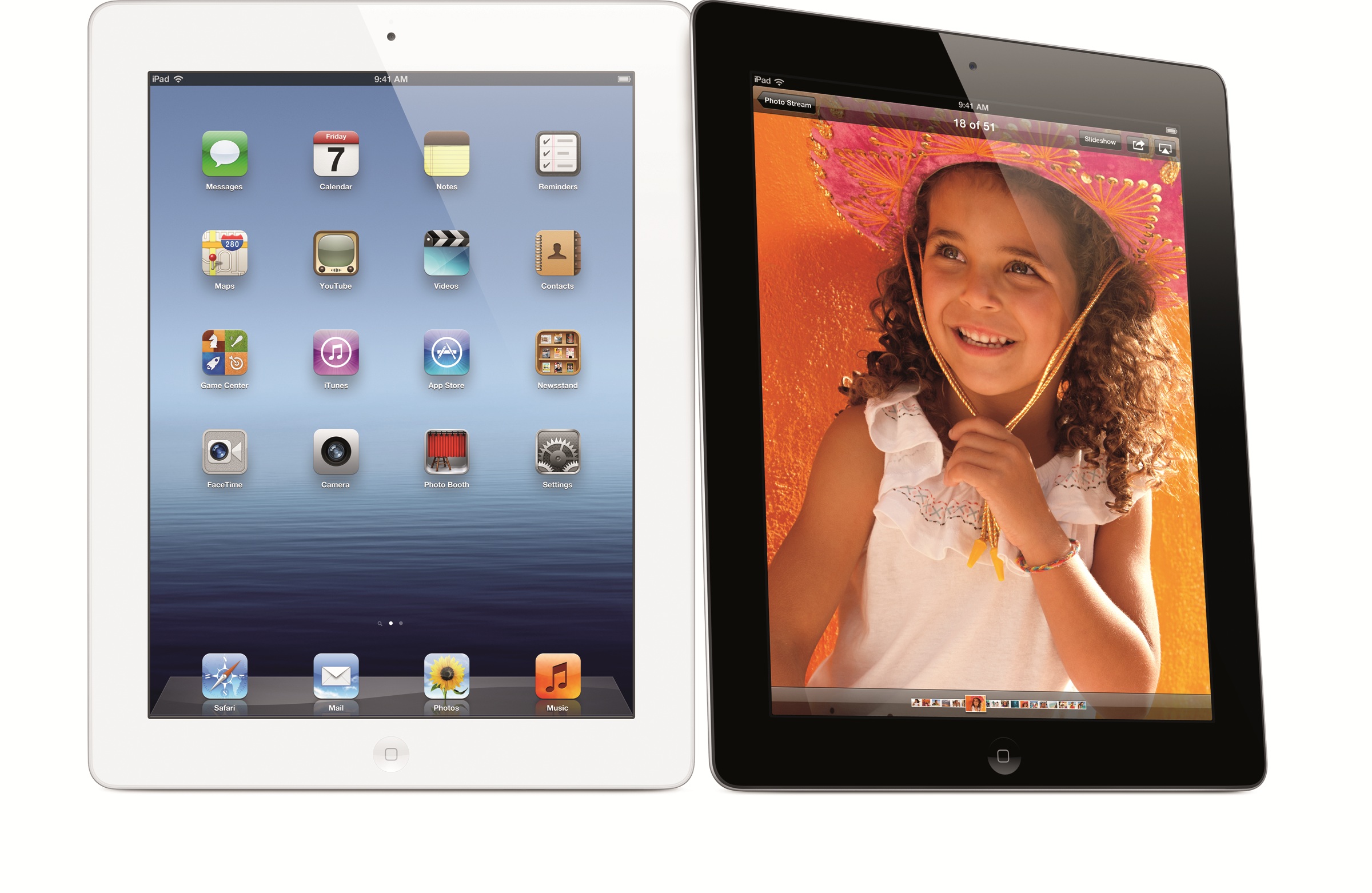
tablet winds are a-changin’, and Apple may have taken notice. The iPad
has long stood as the best-selling, best-received tablet on the market,
the ten inch slate having faced next to no competition in its two years
of iterations.
Now,
upstart tablets on Google’s Android may be able to upset Apple’s tablet
monopoly, aiming for markets that Apple does not completely cover—and
the Cupertino goliath may be looking to snuff them out.
So
far, no Android tablets have even begun to encroach on the monolithic
iPad territory. The closest any has yet gotten is Amazon’s Kindle Fire. A
smaller device with a screen seven inches diagonally, the Fire deviates
from standard tablet and Android trends, in several ways. It is smaller
than the average tablet, is hardly recognizable as Android thanks to
its thick Kindle skin, and severs most Google ties for an enclosed
Amazon environment.
Running
Android 2.3 Gingerbread (major Android versions are named
alphabetically, after desserts), it is a Kindle before an Android, and
the Fire’s software has been thoroughly redone to focus on Amazon’s
media outlets. Though popular, the Fire hasn’t been able to make a
serious dent in the iPad’s brushed aluminum sales. But, just this July, a
slick new contender stepped onto the playing field.
Android’s
parent, Google, has long sold its own line of Androids, the Nexus
series. After three successive smartphones, a tablet has now been
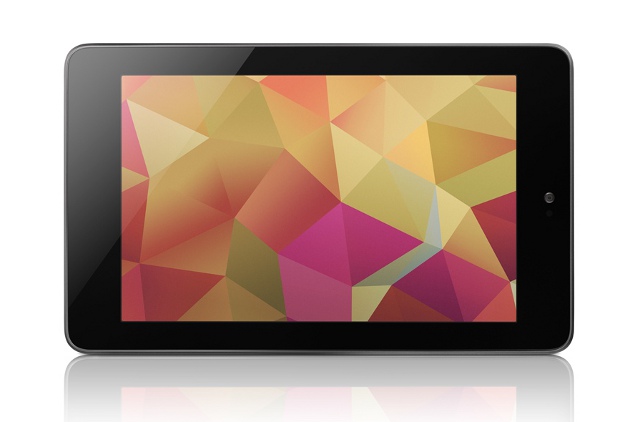
unveiled. The new seven inch device has been christened, appropriately,
the Nexus 7.
The
Asus-made tablet comes packing Android 4.1 Jelly Bean, two releases
ahead of the Kindle Fire. Though heavily altered by Amazon for a more
literary flavor of Android, the Kindle Fire is still behind the curve,
as the succeeding 4.0 Ice Cream Sandwich has been hailed as the single
largest revamp of Android since the platform’s birth (Android 3.x is
Google’s first foray into tablets, and is contemporary with 2.3).
The Nexus 7 is also sold at the same price as the Kindle Fire, retailing directly from Google for $199.
Though
neither is the first 7-inch tablet device, they are the most
successful, both having been met with positive reviews and substantial
sales upon release. The 7, in particular, has been hailed for addressing
many of the issues born from a history of iffy and outright flopped
tablets. Joshua Topolsky, editor of tech news site The Verge called the Nexus 7 in a review the first non-iPad tablet that he “can confidently recommend to buyers.”
The Nexus 7 in particular tackles the largest, most glaring issue that sends many potential Android customers to the iPad: apps.
Google’s
Play Store offers meager few tablet-compatible apps besides homegrown
Google apps like Gmail and Google+, greatly overshadowed by the enormous
library of iPad apps on the iOS App Store. However, the 7’s
smaller-than-normal size lets it run apps designed for smartphones at a
more usable scale. An app designed for a four to five inch screen, as
the vast majority of Android apps are, does not fare well when pulled to
twice its usual size.
There
is wide speculation on sites like CNet and Techradar that Apple intends
on releasing a so-called “iPad Mini.” A similarly priced and sized
entry, it exists to stamp out any possible competition for Apple, and
expects to to take a chunk out of the Nexus 7 and Kindle Fire’s sales.
Despite
being a well-received device, the Nexus 7 doesn’t look
|
|
intrusive than advertisements and it’s entirely up to the player how much they want to spend.
While
the game has a following of 6,000 and a 4.5/5 star score, it isn’t
topping any charts just yet. Comparatively, Rovio’s Angry Birds has
clocked in 11 million downloads on the iOS App Store.
Julian said charging money can affect the way people enjoy games.
Moviegoers, he said, may stay for the end of an unsatisfying movie since
they’ve paid for it. But a free app requires no investment from the
player and little incentive to continue playing a bland game.
Julian also warned against making games too complex. People typically
play mobile games when they are just killing time, so the plotline
shouldn’t be too complex. The plot must be heavy enough to keep players
engrossed, but quick enough to hold the attention span of someone on the
tram or in a bathroom. Upgrades can both advance the story and keep
players’ attentions.
Offering constant updates for mobile apps, Julian said, can also keep
people playing the game for a long time. Once a game hits a dead end, it
is quickly forgotten. That isn’t the fate Julian and Loki want for
Geomon.
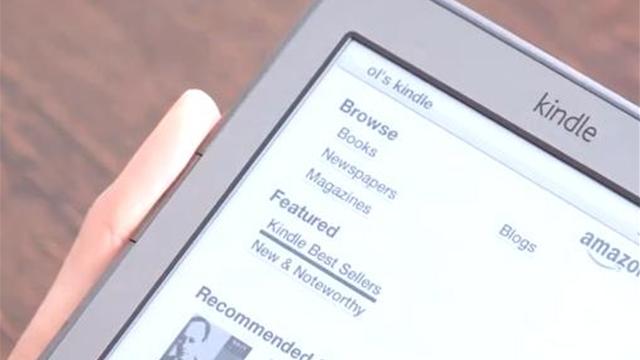
Photo courtesy of Videojug
Photo courtesy of Android
to compete
head-to-head with the iPad. Upon the release of the suspected iPad Mini,
though, it may have to combat directly Apple’s iOS wielding device. And
while iOS and Android may be evenly matched in the phone arena, as
evidenced by sales and reviews, iOS is the clear winner in the 10-inch
tablet race, claiming 68% of all tablet sales.
Come September, the rumored month of the iPad Mini’s unveiling, Amazon and Google may have to brace themselves.
|